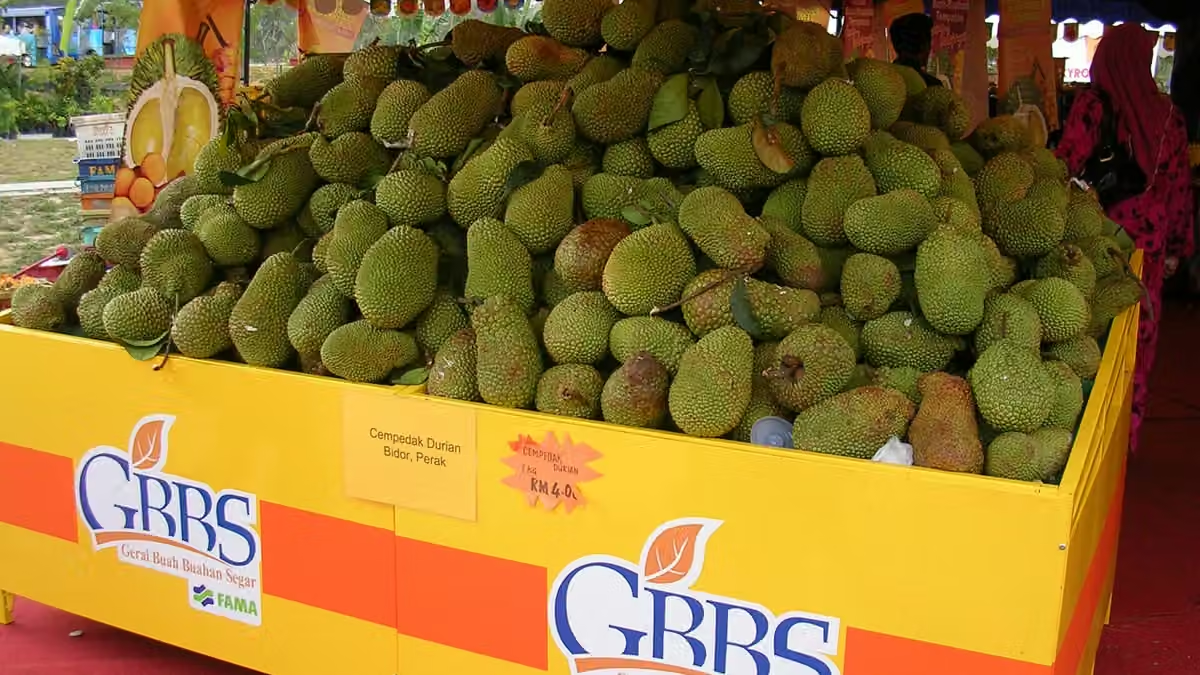
Photo: nenek kebayan / Wikimedia Commons / CC BY 3.0
I keep coming back to a plain truth about groceries. A balanced cart usually has a few simple groups in it. Fruits and vegetables, whole grains, lean protein, dairy or a fortified plain swap, and a few shelf-stable basics do most of the work.
The grocery aisle can make simple food look fussy. It does not need to be. The healthiest items are often the ones that are plain, useful, and easy to mix and match. That is the quiet trick.
I think of a healthy grocery list as a set of steady helpers. Some are fresh. Some are frozen. Some are canned. The form matters less than the label and the company it keeps. A can of beans can be just as useful as a bag of fresh greens, and sometimes more so when the week runs long.
The cart that actually helps
The most useful fresh produce is the kind that gets eaten with little drama. Apples, oranges, berries, bananas, carrots, broccoli, spinach, cabbage, and sweet potatoes are all practical choices. They bring fiber, vitamins, and color without asking for much in return.
Frozen fruits and vegetables deserve a spot too. They are often picked and packed when ripe, and they can be handy when fresh food wilts too fast. I like that they reduce the old grocery problem of buying hope and throwing away lettuce.
Whole grains are another steady piece. Oats, brown rice, whole wheat bread, whole wheat pasta, quinoa, barley, and bulgur fit that job well. The main point is simple. Whole grains keep more of the grain intact, so they usually bring more fiber than refined grains.
Protein foods matter because they help round out a meal. Beans, lentils, chickpeas, eggs, plain yogurt, milk, tofu, canned tuna, salmon, and sardines are all common picks. Lean chicken or turkey can fit here too. A grocery cart does not need every protein at once. It needs a few that are easy to use.
Healthy fats are useful in smaller amounts. Olive oil, nuts, seeds, peanut butter, and avocados can make food more filling and more workable. They are best seen as part of the picture, not the whole picture. A spoonful of peanut butter does a fine job. A whole jar, less so.
The quiet shelf items people overlook
Canned foods often get treated like second-string food, which feels unfair. Canned beans, canned tomatoes, canned fish, and low-sodium soups can save time and still support a balanced plate. The label matters here. Lower-sodium and plain versions are usually the calmer choice.
Plain dairy or fortified plant drinks can also help fill the cart. Milk, plain yogurt, and calcium-fortified soy milk are common examples. Unsweetened versions keep added sugar from sneaking in through the back door. That little detail matters more than the fancy words on the front.
Some pantry basics make the whole list easier to use. Old-fashioned oats, nut butter, olive oil, brown rice, dry lentils, and canned beans can sit around until needed. That is useful on a day when energy is low and dinner needs to be simple, not clever.
I also think seasoning deserves respect. Garlic, onions, pepper, cinnamon, and dried herbs do not make a food list glamorous, but they do make plain food easier to eat. A healthy cart is not only about nutrients. It is also about food a person can stand to keep cooking with.
What the label is saying
The label can settle a lot of grocery confusion. For bread, cereal, and pasta, whole grain should be near the top of the ingredient list when possible. For yogurt and drinks, plain and unsweetened are often the cleaner choices. For canned goods, lower sodium is worth a look.
This is where I pause for a small honest limit. A grocery list can point in a healthy direction, but no list is magic. Food quality is only part of the story. How much gets eaten, what else is in the day, and what a person can keep repeating all matter too.
There is also no single perfect healthy food list. People shop on different budgets, with different kitchens, and with different tastes. A good list leaves room for that. It may look a little plain on paper, but plain food can be useful food.
The main fact, to me, is this: a balanced diet starts with regular, ordinary foods that are easy to recognize. Fruits, vegetables, whole grains, protein foods, and simple fats give a grocery cart shape. Once those are in place, the rest gets less noisy.
I like that kind of grocery list. It does not demand a reinvention of supper. It just gives the week a steadier start. One practical food idea and one small habit to make the week feel more manageable. That is the spirit of The Steady Table, and it suits a grocery cart very well.