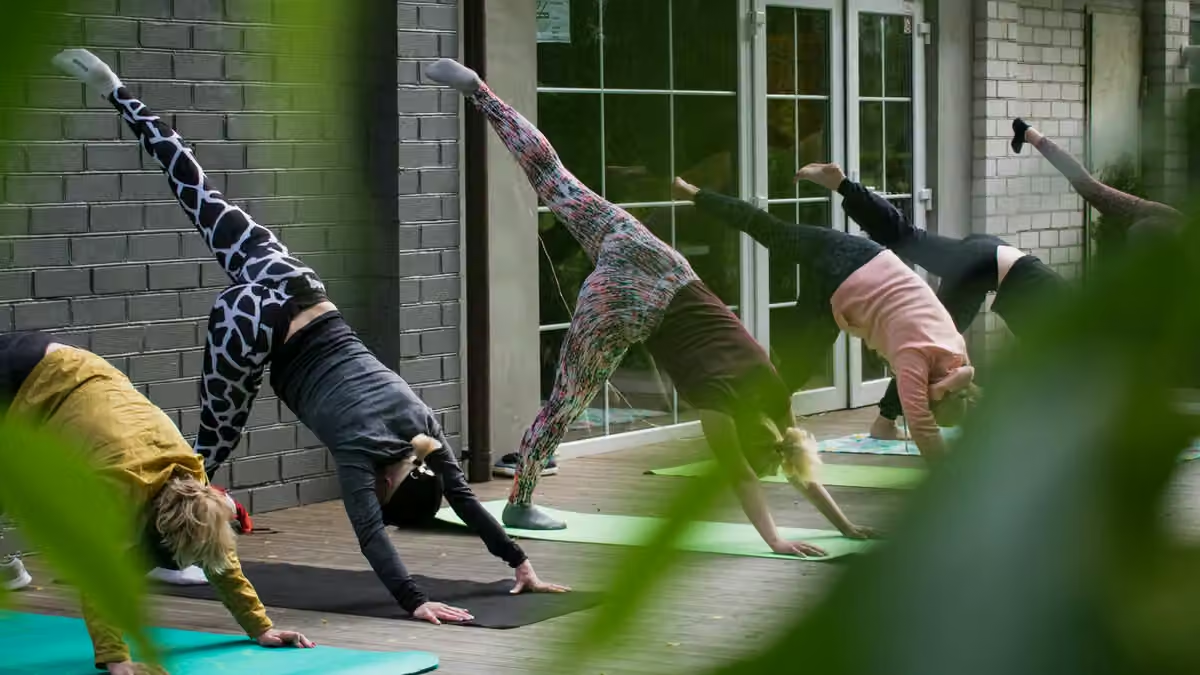
Body weight exercises burn calories without equipment. The body itself provides the resistance. Squats, wall push-ups, sit-to-stands, lunges, and planks can make muscles work harder and raise the heart rate.
That sounds simple because it is simple. No gym bag is needed. No machine waits in the corner, collecting dust and guilt. A clear patch of floor, a wall, or a sturdy chair may be enough.
The calorie part needs a little care. During movement, the body uses energy. Harder work often uses more energy than easy work. But the amount varies with body size, pace, exercise choice, rest time, and fitness level. A short set of slow squats does not use the same energy as a fast circuit with little rest.
That is why calorie numbers can mislead. They are estimates, not a personal scorecard. Even official activity charts use an example body weight when they show calories used during exercise. The number on the page may not match the number for any one person.
Body weight exercise also does another job. It gives muscles resistance. In plain terms, the muscles must push, pull, hold, or support the body. Squats use the legs. Wall push-ups use the arms, chest, and shoulders. A sit-to-stand uses the legs and hips while also practicing a daily movement.
The movement does not have to look dramatic. A wall push-up still counts as a body weight exercise. So does standing up from a chair with control. A plank held for a short time still asks the muscles to work. Fitness does not require a room full of equipment or a floor covered with rubber mats.
I like this part of the subject because it leaves room for real life. Some days call for a brisk set of movements. Other days call for a slower pace and more support. Both can fit the same basic idea: the body is doing the work.
A small meal can sit beside this idea without making a production of it. Think of a simple plate with beans, whole-grain toast, fruit, or a bowl of soup with vegetables. Food does not need a special label because movement happened nearby. There is no need to earn lunch with exercise. That bargain makes eating feel like homework.
The useful link is simpler. Meals provide food. Movement uses energy and works the muscles. Each belongs in the day without turning the other into a test.
Some body weight exercises raise the heart rate more than others. Marching in place, step-ups, and repeated sit-to-stands may feel more active than a slow wall sit. A squat with a pause may feel harder than a shallow squat. Speed, range of motion, and rest all change the effort.
Still, harder is not always wiser. A movement that feels steady and controlled may be more useful than one that looks impressive. A chair can help with balance during sit-to-stands. A wall can make push-ups less demanding. These changes do not cancel the exercise. They adjust the load.
There is one honest limit. Body weight exercise can burn calories, but it does not promise weight loss. Body weight, appetite, sleep, daily movement, medicines, stress, and many other factors affect weight over time. No single exercise can control all of those parts.
Calorie burn also should not be the only measure. Strength, balance, comfort, and ease with daily tasks matter too. A movement may use fewer calories than a fast workout and still help the body practice standing, reaching, or holding a steady position.
Safety belongs in the plain print. New or painful movement can be a poor trade for a small calorie estimate. Stable support can help with standing exercises. Slow, controlled motion gives the body time to respond. Pain, dizziness, or a feeling of being unsafe is a reason to stop and seek personal guidance from a qualified health professional.
There is no special prize for finishing exhausted. Muscle work can happen in brief periods. Some people use a few movements during a break, while others set aside time for a longer session. The right amount depends on the person and the day. General activity guidance often includes muscle-strengthening activity on at least two days each week, but that is a public health guideline, not a personal prescription.
The word “exercise” can make a chair, a wall, and a kitchen floor seem too ordinary. That is a shame. Ordinary is often what makes a habit easier to repeat. Body weight exercises burn calories without equipment because muscles work against the body’s own weight, and some movements also raise the heart rate.
The calorie total may be modest. That does not make the movement pointless. It simply keeps the claim honest. A short set is movement, not magic.
I prefer that honest trade. A plain meal and a small amount of movement can fit into the same day without a grand plan. The Steady Table carries that same idea: one practical food idea and one small habit to make the week feel more manageable.