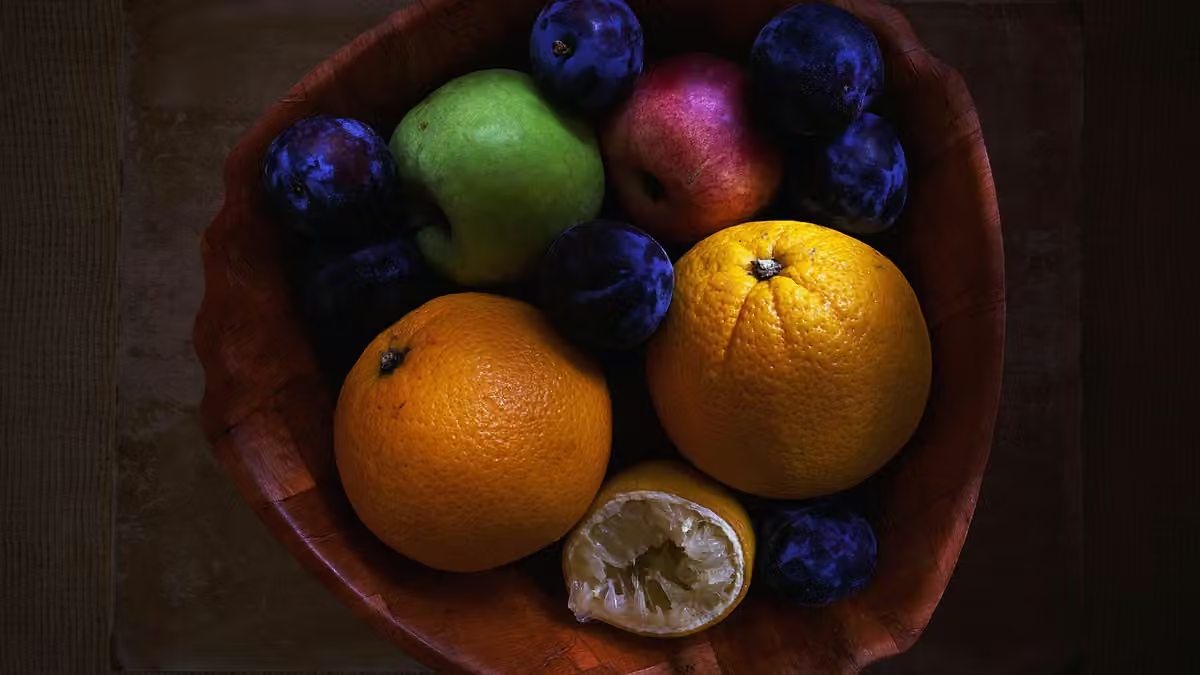
Photo: Dejan Krsmanovic / Wikimedia Commons / CC BY 2.0
Fresh produce boosts health and nutrition in a simple way. Fruits and vegetables bring vitamins, minerals, water, fiber, and many plant compounds to the table. They can add color and crunch, too, though no one has ever needed a lecture from a carrot.
The main point is easy to miss because food talk often gets loud. Fresh fruits and vegetables are useful foods. They support a varied eating pattern. They do not need to be perfect, expensive, or eaten in large piles to have a place in an ordinary meal.
Fiber is one reason produce matters. Fiber is the part of plant food that the body does not fully break down. It helps add bulk to food and can slow digestion. Fruits and vegetables also contain water, which adds to their volume. These features can help a meal feel more filling.
Different produce brings different nutrients. Oranges and berries provide vitamin C. Dark green vegetables often provide vitamin K and folate. Sweet potatoes and winter squash contain carotenoids, which are plant compounds the body can use to make vitamin A. Beans, peas, and lentils are also plant foods with fiber and protein.
No single fruit or vegetable covers every need. That is why variety matters. A mix of colors and types brings a wider range of nutrients than eating one favorite food again and again. Still, there is no prize for collecting every color in one bowl. A few familiar choices can do useful work.
Fresh is one form of produce, not the only good form. Frozen fruits and vegetables can keep much of their nutrition because they are often frozen soon after harvest. Canned choices can also fit into meals. Some canned foods contain added salt or sugar, so the label can help show what is inside. Fruit packed in juice is different from fruit packed in heavy syrup.
This is where the word “fresh” needs a little care. Fresh produce can be a fine choice, but it can spoil quickly. A forgotten bag of greens can turn into a wet science project before anyone feels ready. Frozen and canned options may last longer and reduce waste. The useful choice is often the one that gets eaten.
The label can answer a few plain questions. Does the food contain added sugar? Is salt listed near the top? Is the item whole, cut, dried, frozen, or packed in juice? These details do not turn food into a test. They simply make the choice clearer.
Dried fruit deserves its own small note. It still comes from fruit and can provide fiber and nutrients. Removing water makes it smaller and more concentrated. A small amount can contain the sugar and calories of a larger amount of whole fruit. That does not make dried fruit bad. It means the form changes how easy it is to eat a lot.
Juice is different from whole fruit, too. Juice can provide some vitamins and minerals, but it usually has less fiber than whole fruit. It also goes down quickly. Whole fruit takes more chewing and keeps its structure. This is one reason produce form matters, even when the starting food is similar.
Vegetables can be easy to overlook because they do not always arrive with a snack label. They can go into soups, sandwiches, grain dishes, pasta, or simple plates. Fruit can fit beside breakfast, lunch, or a small afternoon meal. The goal is not to make every dish impressive. It is to make produce easier to notice.
Food safety belongs in this conversation. Produce can carry dirt and germs on its surface. Running water helps remove some of them. The Food and Drug Administration advises washing fruits and vegetables under running water before eating or preparing them, including produce with skins that will not be eaten.
Soap and household detergent do not belong on food. They can remain on the produce and cause harm. A clean cutting board and clean hands matter as well. Washing lowers risk, but it cannot remove every germ. That is the honest limit.
There is another limit to the headline. Fresh produce supports good nutrition, but it cannot guarantee health. A person’s health depends on many things, including the full eating pattern, activity, sleep, stress, medicines, and health conditions. Food advice also does not affect everyone in the same way.
Produce can also be hard to use. Cost, storage space, taste, chewing problems, cooking skill, and access to shops all matter. A list that ignores these facts is not very helpful. A practical food choice has to fit real life.
I like the plainness of this answer. Fruits and vegetables add useful nutrients and fiber. They bring variety to meals. They can be fresh, frozen, canned, or dried, with different strengths and limits in each form.
A steady approach leaves room for ordinary food. Toast can stay toast. A sandwich can gain tomato or cucumber. A bowl of soup can hold carrots, peas, beans, or greens. Small additions count without turning lunch into a project.
The Steady Table carries that same idea: one practical food idea and one small habit to make the week feel more manageable. Fresh produce can be part of that plan when it fits the meal, the budget, and the day.
Browse: Food Lists and Basics