Daily movement boosts nutrient absorption from food. That is the plain answer, with one small catch: the effect is about support, not magic. Movement can help the digestive system work well, but it does not make every bite absorb better in every case.
I keep thinking about how ordinary this sounds. Walking, stretching, and other light movement are not fancy. They are the sort of things many people already do in bits and pieces. Yet those bits can help the body move food through the digestive tract. That matters, because digestion has to happen before nutrients can be absorbed.
Most of the work of nutrient absorption happens in the small intestine. Food is broken down first, then vitamins, minerals, sugars, fats, and proteins move across the intestinal wall into the body. When digestion is steady, absorption has a better chance to do its job. That is the basic reason daily movement gets mentioned in this same breath as nutrient-rich foods.
The part that seems easiest to miss is this: movement helps by supporting gut function, not by adding nutrients itself. A brisk walk does not create iron or vitamin C. It helps the digestive system keep things moving. That can make it easier for the body to handle what is already in the meal.
I like that this is a modest idea. It does not ask for perfect habits. It does not need a special outfit or a grand plan. A normal day has enough chances for movement already. A short walk after a meal, time spent standing, or just not sitting still all day can all fit this picture.
There is also a limit here, and I think it deserves plain words. More movement is not always better for digestion. Strong exercise can slow digestion during the workout itself, and some people get stomach upset or poor food tolerance when activity is too intense. So the helpful effect is tied more to regular, everyday movement than to pushing harder and harder.
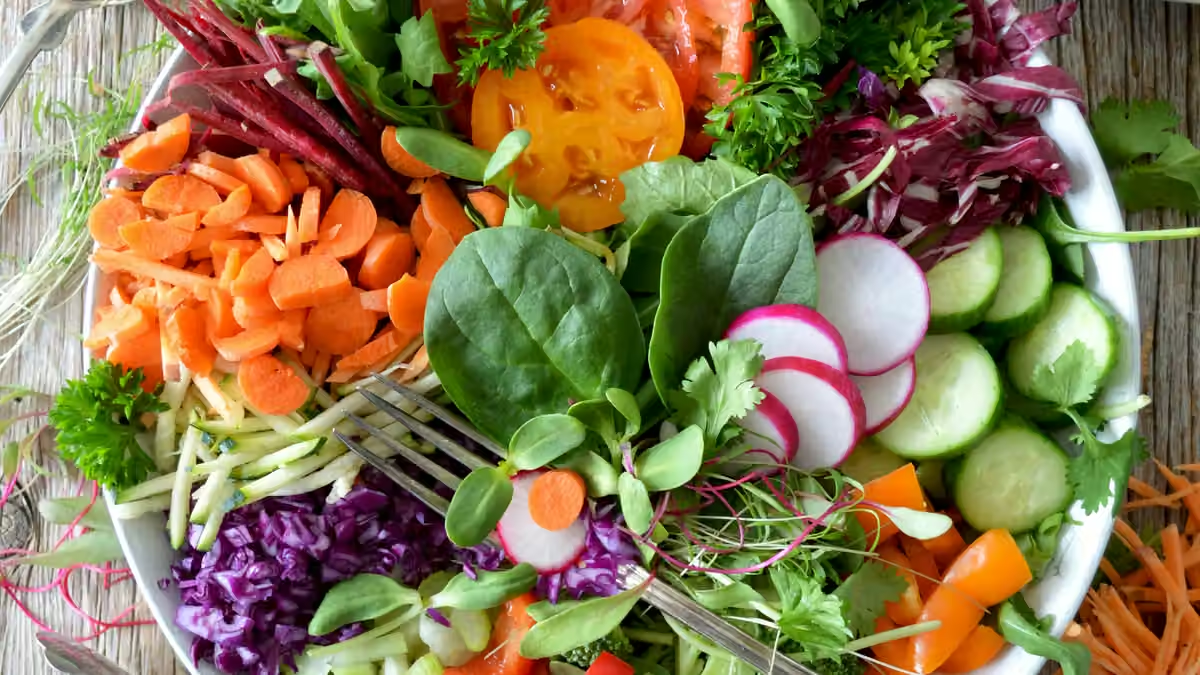
That is where the phrase nutrient rich foods still matters. Good food choices give the body the raw material. Movement helps the body use it well. One does not replace the other. A plate of food still has to be built with care. The body still has to digest it. Both parts matter in a very ordinary way.
I also think people sometimes want a larger promise than this can give. But the honest story is smaller and steadier. Daily movement supports digestion. Better digestion supports absorption. And that makes nutrient-rich foods a little easier for the body to use.
What I take from that is simple. Food and movement work best when they stay practical. No heroics. No miracle talk. Just a steady body doing what it was built to do, with a little help from daily motion and a decent meal.
The Steady Table fits that same spirit. One practical food idea and one small habit can make the week feel more manageable, and this is one of those calm, useful habits that does not ask for much.