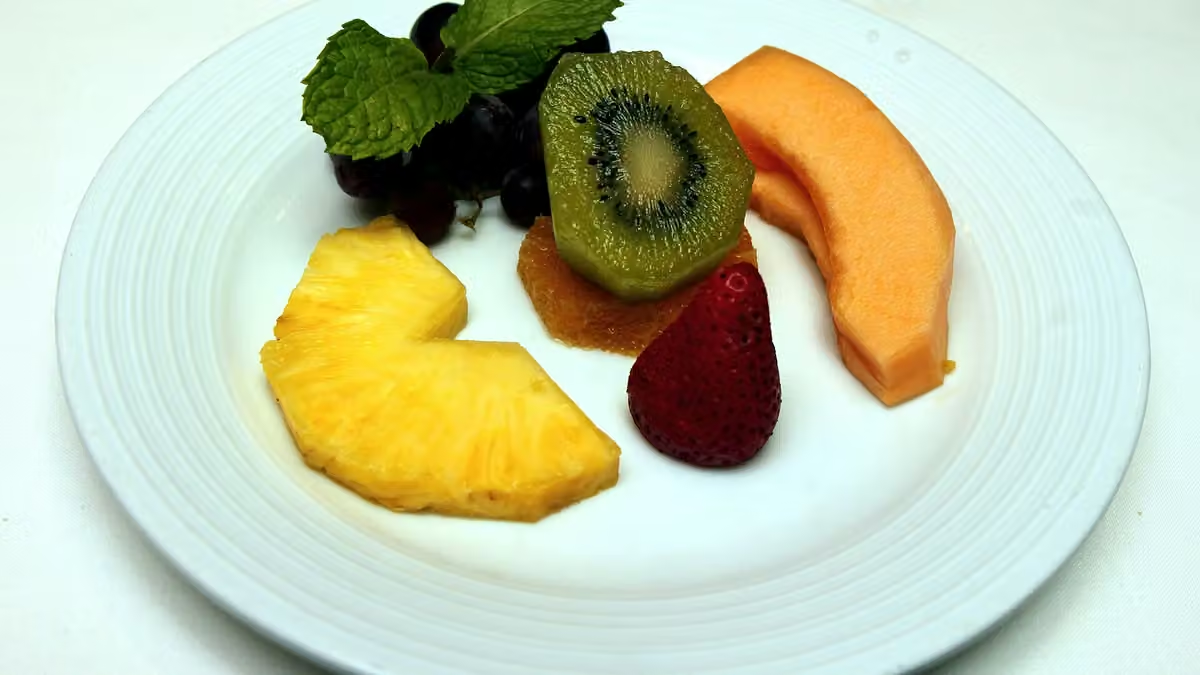
Photo: Prayitno / Thank you for (12 millions +) view from Los Angeles, USA / Wikimedia Commons / CC BY 2.0
A busy week can turn a simple meal into a daily puzzle. What is in the refrigerator? Is there time to cook? Did the spinach retire sometime last Tuesday?
Simple meal prep helps answer those questions. It creates a small amount of order before the week gets loud. The goal is not perfect eating. The goal is food that is easier to see, use, and enjoy.
Start with one prep day
Meal prep begins with a short plan. A full prep day can take several hours, though a smaller session works too. The basic steps are simple:
- Plan seven meals.
- Shop for the food.
- Wash and cut produce.
- Portion snacks.
- Prepare a few meal parts.
- Store everything in easy-to-see containers.
Seven meals does not mean seven fancy recipes. It can mean yogurt and fruit for breakfast, salads for lunch, and a few simple dinners. Repeating an ingredient saves time and reduces waste.
For example, one bunch of spinach can serve several purposes. It can go into a smoothie, a salad, or a whole-grain wrap. A few chopped tomatoes can fit into salads, stuffed avocados, or sandwiches. One food can have several small jobs.
That is the quiet power of prep. It turns ingredients into choices.
A dependable chef’s knife helps with this work. A food chopper can make onions and tomatoes easier to handle. Glass containers are useful because they are washable and can go into the microwave. BPA-free plastic containers can work when glass is not practical.
Mason jars are handy for salads. Put dense foods at the bottom, such as beans, cheese, or nuts. Add vegetables in the middle. Keep greens at the top. Dressing belongs in a separate small container, so the salad stays crisp.
A rice cooker or slow cooker can help with batch cooking. Resealable freezer bags can hold portions for later. These tools do not need to fill every cabinet. A few reliable items are enough. No one needs a kitchen that looks like a cooking show after a windstorm.
Use cooked and no-cook options
Bulk prep can include cooked food. Several pounds of chicken, meat, or fish can be prepared at once and divided into portions. Those portions can support salads, wraps, or quick meals during the week.
Food safety still matters. Cooked food belongs in the refrigerator or freezer within two hours. Smaller, shallow containers help food cool faster. Covered containers or sealed bags keep food protected. Most refrigerated leftovers are used within three to four days.
Herbs and spices can add flavor without relying on a heavy hand with salt. The point is simple food with enough taste to invite another bite.
No-cook meals offer another path. They need no stove or oven. They still involve washing, cutting, mixing, or assembling, but the work often feels lighter. They can also keep the kitchen cooler during a hot spell.
Breakfast can be especially easy:
- A smoothie with milk, yogurt, frozen fruit, oats, or chia seeds
- Greek yogurt layered with fruit, maple syrup, nuts, or seeds
- A whole-grain bagel with mashed avocado, hummus, salmon, or vegetables
- Overnight oats soaked in milk for at least eight hours
Overnight oats are a useful example. Rolled oats, milk, maple syrup, and chia seeds go into a container at night. By morning, the mixture is soft and ready to eat cold. No pot is waiting in the sink. That feels like a small victory, and small victories count.
Lunch and dinner can stay just as plain. Tuna from a can or pouch can join chopped vegetables in a salad. Rotisserie chicken can be cut into a chicken salad with snap peas and lime dressing. A whole-grain wrap can hold spinach, apple, and feta.
Cold soup is another option. Gazpacho uses tomatoes and other vegetables without cooking. A room-temperature soup can also help when a hot meal sounds unappealing.
Stuffed vegetables make a meal feel special without much work. A halved avocado can hold diced tomato, mozzarella, and balsamic vinegar. A tomato can hold corn, bell pepper, and chopped onion. The plate may look cheerful. The effort stays reasonable.
Ready-to-eat meats need a little attention. Tuna, imitation crab, rotisserie chicken, and luncheon meat can save time. Some deli foods contain a lot of sodium, so the label gives useful information. A quick look can prevent an unwanted surprise.
Let the plan stay human
Meal prep does not require seven days of homemade perfection. One or two less-healthy home-cooked meals in a week do not erase the rest of the plan. Food is part of ordinary life, and ordinary life includes tired evenings.
A flexible plan also helps with appetite and energy. Some days call for a full salad. Other days call for a sandwich and a piece of fruit. The prepared food is there to make the choice easier, not to issue a command.
Prep can save money by using bulk purchases and sale items before they spoil. It can save time by putting several tasks into one session. It can also reduce the daily question of what to eat.
The habit grows through repetition. Each week offers a chance to notice what was used, what was ignored, and what became soggy before its time. That information improves the next plan. There is no need for a dramatic reset.
A useful starting example is a three-part meal. Prepare chopped vegetables, a protein, and a simple grain or bread. During the week, combine them in different ways. Put them over greens one day, into a wrap the next, and beside fruit on another day.
This is meal planning without a spreadsheet worthy of a small government office.
Simple meal prep builds healthy habits because it lowers the number of decisions. It makes useful food visible. It gives leftovers a job. It leaves room for convenience, taste, and the occasional meal that is chosen because it sounds good.
The reader can now see meal prep as a flexible system, not a test of discipline. A prep day can include cooked ingredients, no-cook meals, or both. One small session can make the week feel calmer, one container at a time.
That is the promise behind The Steady Table: one practical food idea and one small habit to make the week feel more manageable.