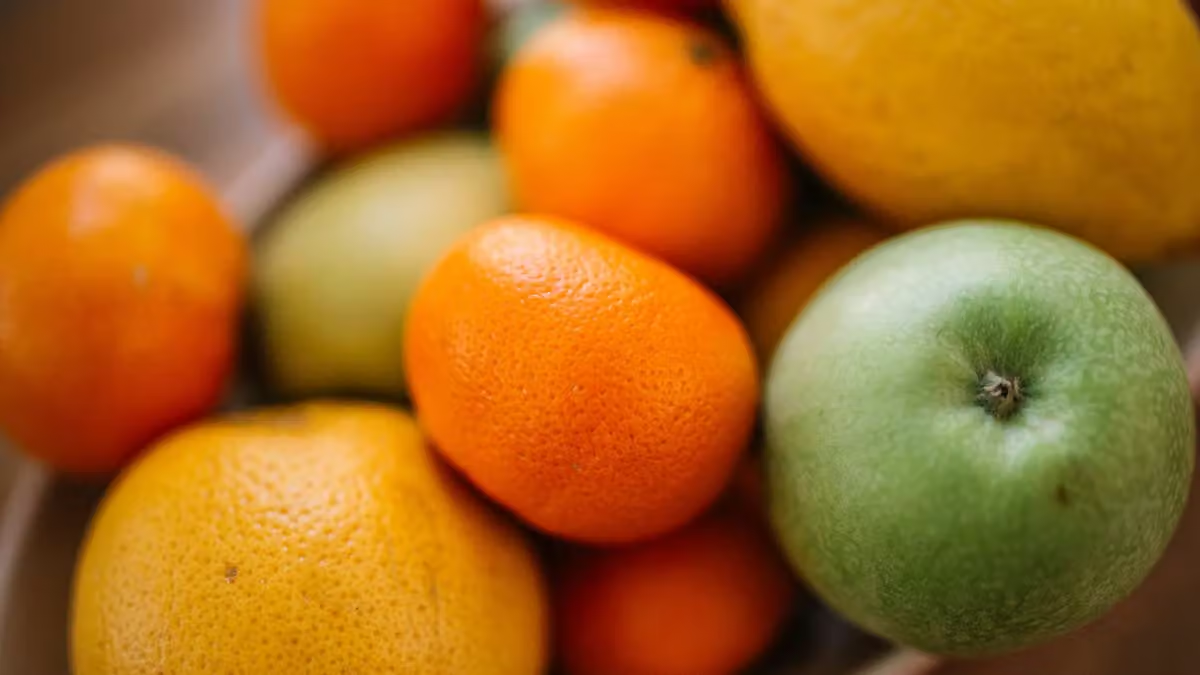
Photo: Nenad Stojkovic / Wikimedia Commons / CC BY 2.0
Prioritize vegetables, fruits, and whole grains for healthy eating.
That is the plain answer, and it is a steady one. When I think about healthy eating in ordinary life, I do not start with fancy rules. I start with the foods that bring color, fiber, and real staying power to the plate.
What this really means
Vegetables and fruits are not side notes in a healthy eating plan. They are a main part of it. Whole grains matter too, because they keep more of the grain intact. That means they hold onto more fiber and nutrients than refined grains like white bread or white rice.
I like that this idea is simple enough to remember. It does not ask for a perfect menu. It asks for a pattern. More vegetables. More fruit. More whole grains. That is the shape of the meal, and it makes the rest of food choices easier to sort out.
The nice part is that these foods fit many kinds of meals. A bowl of oats, a sandwich on whole grain bread, a piece of fruit with lunch, or a plate with vegetables at dinner all count. The goal is not to make food feel strict. The goal is to make the plate look more like real food and less like a puzzle.
A lot of people get stuck on the idea that healthy eating means giving up comfort. I do not think that is the best way to look at it. A meal can still be familiar and easy. It just gets a better balance when plants and whole grains take up more room.
Why these foods are the ones to notice first
Vegetables, fruits, and whole grains do a lot of the quiet work in a healthy eating pattern. They bring fiber, vitamins, and minerals. They also help meals feel more complete.
Fiber matters here. It is one reason whole grains and many plant foods stay useful at the table. Fiber adds bulk and can help food move through the body in a more regular way. That is one of those plain facts that sounds boring until you miss it.
There is also the matter of variety. A plate with different colors usually means a wider spread of plant foods. That does not make dinner fancy. It just makes it more mixed and less one-note. A little red, green, orange, brown, and gold can go a long way.
I also like the practical side of this. These foods are often easy to find in fresh, frozen, canned, or dry forms. That helps on weeks when time is short or the fridge is not feeling generous. Frozen vegetables and canned fruit in juice or water are ordinary foods, not backup prizes.
Whole grains deserve special attention because they are easy to overlook. Grain foods are common in daily meals, but refined grains lose part of the grain during processing. Whole grains keep more of the grain and usually bring more fiber with them. Oats, brown rice, whole wheat bread, and whole grain pasta are simple examples.
That does not mean every meal has to be built like a nutrition chart. It means the grain part of the meal can be a useful place to make a calmer choice. When the grain is whole, the meal usually has a better base.
One honest limit
There is one part I want to keep clear. Healthy eating is not only about vegetables, fruits, and whole grains. It also includes protein foods, dairy or dairy alternatives, and some fats. A plate that is all plants and no balance is not the full picture.
There is also no single perfect amount that fits every person in every situation. Food needs can differ by age, appetite, culture, budget, and health needs. That is one reason broad food guidance is helpful, but personal eating plans can get complicated fast.
Another small caution is that fruit juice is not the same thing as whole fruit. Juice can count in some food guides, but whole fruit gives more fiber and usually feels more filling. That is a useful difference to keep in mind, even if the juice box looks cheerful and tries to argue otherwise.
I also want to be honest about the uncertainty that still hangs around food advice in general. Nutrition advice changes at the edges. Specific serving numbers and details can shift over time. But the main idea has stayed steady for years. Eat more vegetables. Eat more fruit. Choose whole grains more often. That part is not flashy, but it is solid.
A simple way to hold the idea
When healthy eating feels messy, I come back to this one sentence: make plants and whole grains the easy choice more often. That is enough to guide a grocery list, a lunch plate, or a quick supper without turning the whole thing into a project.
It helps to think in terms of what fills the plate first. Vegetables can take up more space. Fruit can be the easy snack or the sweet part of a meal. Whole grains can replace a refined grain now and then without making dinner feel strange.
I do not find that kind of guidance tiring. I find it calming. It gives food a job, but not an impossible one. It keeps the day ordinary, which is where most healthy eating lives anyway.
The useful part is how little drama this asks for. A person does not need a perfect week to begin making this pattern show up more often. A little more produce. A more whole grain now and then. That is often enough to make meals feel steadier.
The Steady Table keeps that same spirit in view, with one practical food idea and one small habit to make the week feel more manageable.
More on: Food Lists and Basics