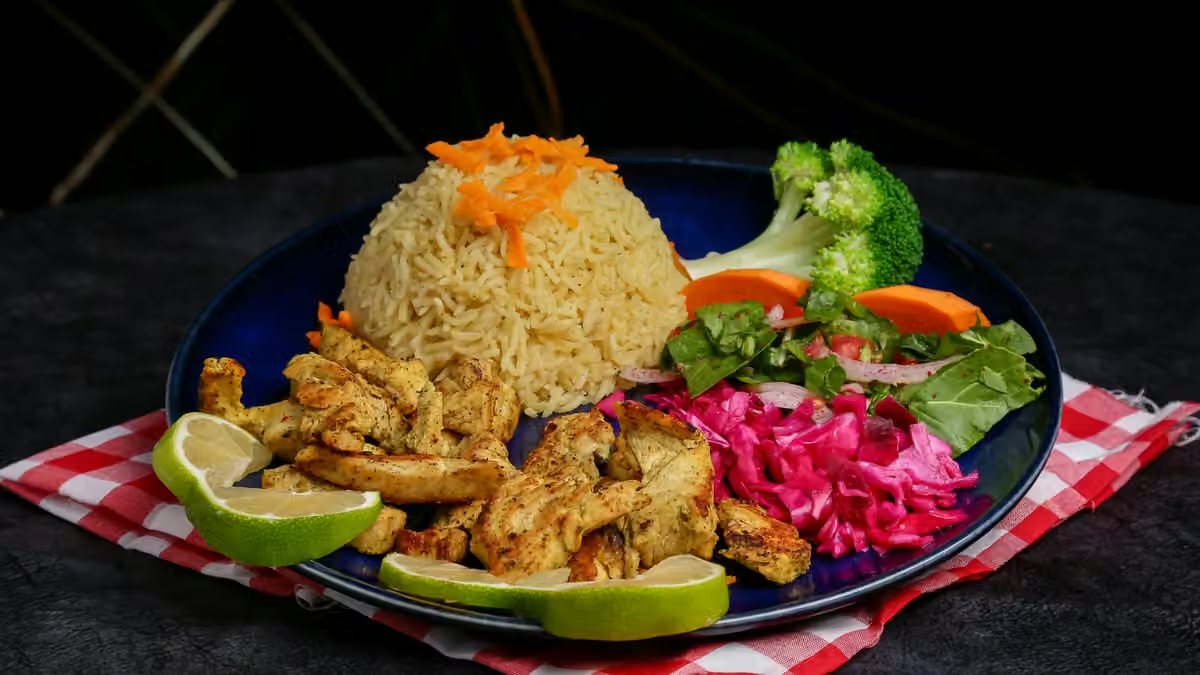
I keep coming back to a plain truth at dinner time. Lean proteins and veggies make the best healthy dinners because they give the plate shape, color, and enough staying power to feel like a real meal.
That is the simple answer. A dinner built around chicken, fish, beans, tofu, eggs, or another lean protein, plus a good pile of vegetables, fits the way many health guides describe a balanced plate. Half the plate is often shown as fruits and vegetables, with protein taking up a smaller space. That leaves room for food that feels filling without turning dinner into a math problem.
What I like about this idea is how ordinary it is. It does not ask for a special powder, a strict plan, or a kitchen that looks like a cooking show set. It just asks for two honest pieces on the plate. One gives the meal body. The other brings color, crunch, and fiber.
Fiber is one of the quiet reasons vegetables matter so much. It helps meals feel more complete, and vegetables also bring vitamins and minerals along with it. Lean protein adds its own job to the plate. It helps a meal feel more settled, which is one reason many people reach for it at night.
I think this is where dinner gets easier, not harder. A plate of vegetables alone can feel light in the wrong way. A heavy meal built around rich sauces or a lot of fried food can feel too much. Lean protein and vegetables sit in the middle. They are steady and sensible. That is often what evening food needs.
There is also a nice bit of flexibility here. Lean protein does not have to mean one single food. It can be poultry, fish, eggs, beans, lentils, tofu, or other similar foods. Vegetables do not need to be fancy either. Fresh, frozen, or canned vegetables can all help build a useful dinner. The food does not need a perfect label to do its job.
I do think one limit is worth saying out loud. Lean protein and vegetables are a strong base, but they are not the whole story for every meal or every person. Some dinners also include grains, dairy, or healthy fats. And the right mix can depend on taste, budget, cooking comfort, and how hungry someone is. Food is practical before it is perfect.
Another small truth sits under all of this. “Healthy” is not one fixed look on a plate. A dinner can be healthy in more than one way. One person may want salmon and broccoli. Another may do beans and peppers. Another may prefer chicken, green beans, and a small scoop of rice. The point is not to make dinner austere. The point is to make it balanced and easy to live with.
I also like that this kind of dinner tends to lower the evening fuss. When the plate already has protein and vegetables, there is less need to figure out what else is missing. That can make weeknights feel less slippery. I am always in favor of any food idea that makes the day quieter.
Still, there is a bit of uncertainty in the broader food world. Nutrition advice does not land the same way for everyone, and no one plate layout solves every need. People differ in appetite, culture, cost, and what they can cook well on a tired day. So I would call lean proteins and veggies the best healthy dinner base, not a rule carved in stone.
That is the part I trust most. Start with a lean protein. Add vegetables. Let the rest stay simple. Dinner becomes less of a puzzle and more of a meal.
The Steady Table fits that same spirit. One practical food idea and one small habit to make the week feel more manageable sounds about right to me, especially when dinner needs to be simple and calm.
More on: Healthy Eating