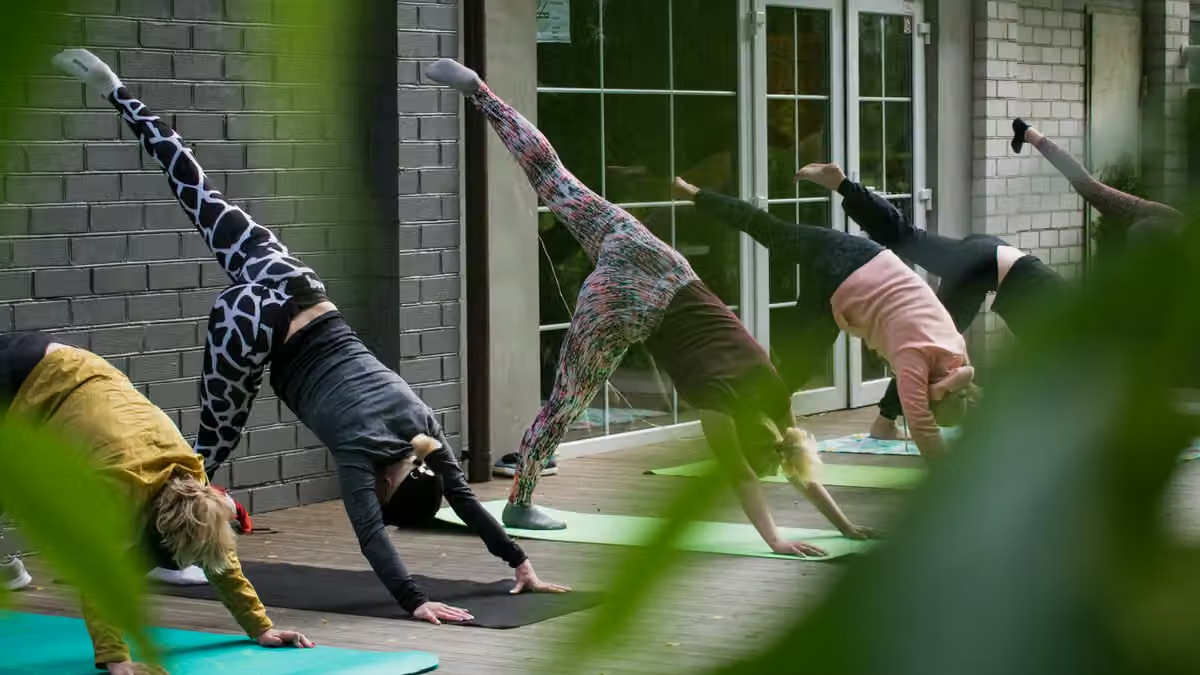
Daily movement can help answer a quiet worry: How long will ordinary tasks stay mine to manage?
Independent living is built from small actions. Getting out of a chair. Carrying a light bag. Reaching a shelf. Walking from the car to the front door. None of these tasks feels like exercise class material. Yet they ask for strength, balance, and stamina.
That is why daily movement matters. It helps the body practice the work that daily life requires. It does not promise a perfect future. It gives muscles and balance a reason to stay involved.
Independence is made of ordinary tasks
Independence rarely disappears in one dramatic moment. More often, a task becomes harder. A person moves less because moving feels tiring or uncertain. Then the body gets fewer chances to practice.
This can become a stubborn loop. Less movement may lead to less strength. Less strength may make movement feel harder. Breaking that loop does not require a grand plan. Small, repeated actions count.
Walking through the house counts. Standing up and sitting down counts. Light yard work, shopping, dancing, and taking the stairs can count. The body does not ask whether an activity came with a matching outfit.
Different movements support different parts of daily life. Walking supports stamina. Carrying and lifting support muscle strength. Turning, reaching, and changing direction challenge balance. A useful week has room for all three.
For adults 65 and older, federal guidance describes a mix of aerobic activity, muscle-strengthening activity, and balance activity each week. That is a broad framework, not a test to pass. Many people begin with less. Some have pain, illness, or mobility limits that change what feels safe.
Small movement has a practical job
Daily movement is easier to keep when it has a clear purpose. “Exercise for health” can sound large and foggy. “Stay steady when stepping over the doorstep” feels more real.
Consider a simple example. A person rises from a dining chair, walks to the kitchen, carries a small mug, and returns to the table. That short trip uses leg strength, balance, walking ability, and grip. It also resembles life, which is why practice with ordinary tasks can feel useful.
The same idea applies to household chores. Folding clothes involves standing, reaching, and moving around. Putting away groceries involves lifting light items and turning. Sweeping asks for movement through the arms and body.
This does not mean every chore replaces planned activity. It means movement has many doors. A person who dislikes formal workouts still has ways to build more motion into the day.
A few minutes at a time can feel less demanding than one long block. Movement can happen before breakfast, during a break, or after a meal. The point is regular use, not a heroic performance.
What to track, if anything
Tracking can help some people notice patterns. A small note might record walking, chair rises, or time spent moving. Another person may prefer no record at all. A calendar is not required for muscles to receive a message.
If tracking becomes another source of guilt, it has lost its usefulness. The goal is to understand a routine, not grade a person. A missed day is information, not a character flaw.
The same steady view applies to food. Movement works beside ordinary meals. It does not erase the need for enough food, water, rest, or care with health concerns. It also does not turn one snack into a moral event. We have enough moral events already.
More movement cannot promise a longer independent life for every person. Bodies age in different ways. Health conditions, falls, pain, vision, housing, and access to safe places all matter.
Still, regular activity is linked with better physical function in older adults. It can make daily tasks easier and support independent living. Strength and balance work also help address abilities tied to safe movement and fall risk.
That is useful information without turning movement into a guarantee. The aim is not to control every outcome. The aim is to keep giving the body chances to take part.
Make the habit fit the day
A movement habit often lasts longer when it attaches to something already happening. Standing after a phone call may feel natural. A short walk to the mailbox may fit after lunch. Gentle stretches may belong beside the morning coffee, if that feels comfortable and safe.
The habit should also match the setting. A clear hallway is different from an icy sidewalk. Support from a sturdy surface may matter during balance work. Anyone with a health condition, recent fall, or major movement concern may need guidance from a qualified health professional before changing activity.
Comfort matters. Sharp pain, dizziness, chest pain, or unusual shortness of breath calls for stopping and seeking appropriate medical help. Everyday movement should support daily life, not become a contest with the body.
The first useful question is simple: What task matters in ordinary life? Maybe it is standing long enough to cook. Maybe it is walking across a parking lot. Maybe it is reaching the top shelf without asking for help.
That task can give movement a reason. A reason is often easier to remember than a number.
The larger lesson is steady and modest. Daily movement helps maintain the skills behind independence. It does so through practice, repeated in small pieces across the week.
Now the idea is easier to use: movement is not only a workout. It is also the quiet practice of standing, walking, reaching, carrying, and staying steady. A person can notice those chances, choose comfortable ways to move, and understand why they matter without chasing perfection.
That is the kind of small habit The Steady Table is meant to pair with one practical food idea: something that helps the week feel more manageable, one ordinary choice at a time.