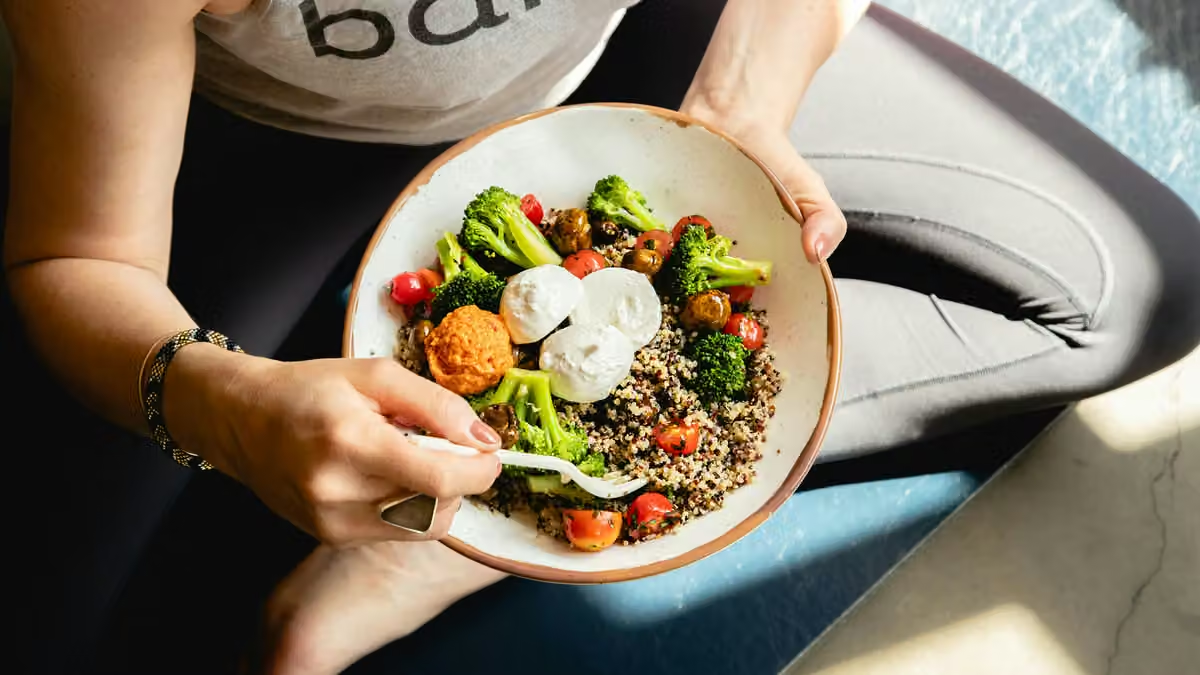
Five servings of produce a day is a plain, sensible target. It is the kind of number that gives a meal a little shape without turning food into a puzzle. I like that about it. Food already asks enough of us.
The basic idea is simple. Fruits and vegetables are the point here, and five servings is a common daily goal in public health advice. Some groups count it as about 400 grams a day, or roughly two servings of fruit and three of vegetables. That split keeps the day from becoming lopsided, which is helpful because a plate of only fruit or only vegetables can miss the broader mix.
I think the best thing about this target is that it is clear enough to use, but loose enough to fit real life. A serving does not have to look perfect. It can be fresh, frozen, or canned. It can be a piece of fruit, a cup of chopped produce, or a smaller amount of dried fruit or juice. That matters, because most people are not living inside a food magazine spread. They are opening the fridge, checking the clock, and trying to make dinner happen.
Still, the number itself is not magic. Five servings is a useful public health goal, not a promise. It does not cancel out the rest of the meal. It does not turn a rough day into a perfect one. It also does not mean every person needs the same exact mix. A smaller adult, a larger adult, and someone with very different food needs may not eat in the same way. That is one reason I prefer this kind of guidance when it stays broad and calm.
What seems most solid is the pattern, not the performance. People who eat more fruits and vegetables tend to have better overall diet quality. They get more fiber, vitamins, and minerals, and often less room for foods that crowd those out. That is not a grand claim. It is just how ordinary meals add up over time. A bowl of berries, some carrots with lunch, greens at dinner, and a piece of fruit later can do a quiet amount of work.
I also think people get tripped up by the word “serving.” It sounds neat and tidy, but food is rarely neat and tidy. A serving can be one apple, a handful of grapes, a half cup of cooked vegetables, or a cup of leafy greens, depending on the food. That means the idea is less about counting with a stern face and more about noticing whether produce shows up often enough in the day. Counting can help. Obsessing usually does not.
There is another small truth here. Five servings is common advice, but the exact best amount is still not pinned down for every person in every setting. Research has long supported at least five portions a day, and some guidance in the United States now uses cup-based goals instead of a simple five-a-day phrase. The numbers differ a bit, but the message stays steady. More fruits and vegetables usually makes the food pattern better.
I like that kind of advice because it respects ordinary life. It does not ask for a full kitchen overhaul. It asks for more produce, more often. That can be as plain as adding fruit to breakfast, a salad or cooked vegetable with lunch or dinner, or keeping frozen vegetables close at hand for the nights when energy is thin. Nothing dramatic. Just a steadier table.
The limit is worth saying out loud. “Eat five servings of produce daily for optimal health” is a good general rule, but it is still a general rule. It does not explain every health condition, every medication issue, every digestion problem, or every budget problem. It also does not settle the finer arguments about exact gram counts, juice, dried fruit, or which mix is ideal for every adult. Real life keeps that messy. I think honest guidance should admit that.
So I come back to the same simple thought. Five servings of fruits and vegetables a day is a strong, plain target for healthy eating. It gives structure without making food feel fussy. It is one of those ideas that works best when it stays ordinary.
The Steady Table often lands in that same place for me, with one practical food idea and one small habit to make the week feel more manageable. That is the right scale for most food advice, and probably why this five-a-day idea has lasted so long.
Browse: Healthy Eating