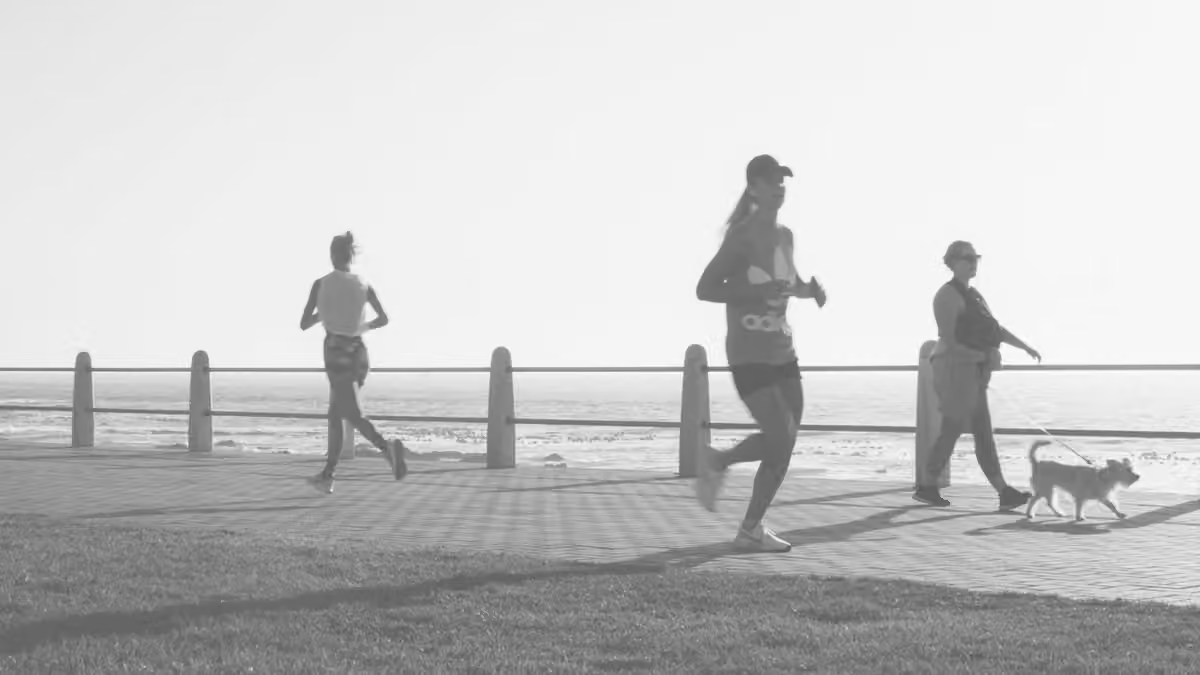
The simple question is this: how do daily steps help older adults burn more calories? The short answer is that walking adds up. Even ordinary movement through the day can raise energy use, and that matters more as the body changes with age.
I live in the world of errands, kitchen cleanups, and the long walk from the car to the store. That sort of movement can feel too plain to count. But it does count. Steps are a steady way to spend more energy without turning life into a gym schedule.
Why steps matter more than they first seem
Walking uses calories because the body has to do work. A few extra trips up the hall, a lap around the block, or a longer route through the grocery store all add movement to the day. None of it feels dramatic. That is part of the point.
As people age, the body often burns fewer calories at rest than it once did. Muscle mass can slip away with time, and that can trim daily energy needs. So the same old routine may burn a little less than it did years ago. Extra steps help fill that gap in a plain, familiar way.
The good news is that the body does not ask for perfection. It responds to total movement across the day. One brisk walk helps. So does several smaller walks. A few hundred steps here and there can still move the needle.
What “more steps” looks like in real life
The phrase can sound fuzzy, so here is the practical version. More steps often means parking a little farther out, walking while chatting on the phone, or making one extra lap around the store. It can also mean standing up between tasks instead of sinking into the chair for the whole afternoon. That chair can be persuasive, I admit.
For older adults, the calorie burn from steps depends on body size, pace, and how long the walking lasts. A bigger body usually burns more energy for the same walk. A quicker pace usually burns more than a slow shuffle to the mailbox and back.
One useful way to think about it is this: walking several thousand steps can add a few hundred calories of daily burn for many adults. That is not a magic fix. It is simple math, repeated often. Small burns pile up.
A small example makes it clearer
Say a person adds a 20-minute walk after lunch and another 10-minute walk in the evening. That may feel mild. Yet those minutes can add a fair number of steps, and those steps raise total daily calorie use.
Now compare that with a day spent mostly sitting, with only the bare minimum of movement. The difference is in how long you exercise. It is in all the little bits of energy spent getting through the day. That is where daily steps earn their keep.
The older adult angle
For aging adults, steps are useful because they are ordinary. They do not require special equipment. They do not ask for a perfect plan. They fit into the day people already have, which is often busy in a quiet, practical way.
Walking also has another kind of value. It can keep daily movement from shrinking to almost nothing. That matters when joints feel stiff, energy feels lower, or the weather makes everyone grumpy. A little walking still counts on cold days, and winter sidewalks have enough personality already.
Older adults often do well with realistic goals, not heroic ones. A walk that can be repeated is better than a grand plan that dies by Thursday. Consistency tends to do the real work.
Why steps and calories go together
Calories are a measure of energy. The body uses energy for breathing, thinking, digesting, and moving. Steps raise the moving part of that total. More steps mean more energy spent, though the amount varies from person to person.
That is why two people can take the same number of steps and not burn the same amount. Body weight, walking speed, and stride length all play a part. A heavier person usually burns more. A faster pace usually raises the count too. Life, as usual, refuses to be perfectly tidy.
Still, the basic idea stays the same. More daily steps usually mean more calorie burn than fewer steps. It is one of the most practical truths in everyday movement.
What readers can take from this
A daily step count is not a contest. It is a rough measure of how much movement fits into a day. For aging adults, that movement can support a steadier calorie burn without demanding a whole new life.
What matters most is the pattern. More ordinary walking, spread through ordinary days, can help the body use more energy. That is the lesson in plain language. Steps are small, but they are never nothing.
The next useful idea is simple. A person can look at a day and spot one extra chance to move. That is often enough to start. In The Steady Table, that same spirit shows up in one practical food idea and one small habit that make the week feel a little more manageable.